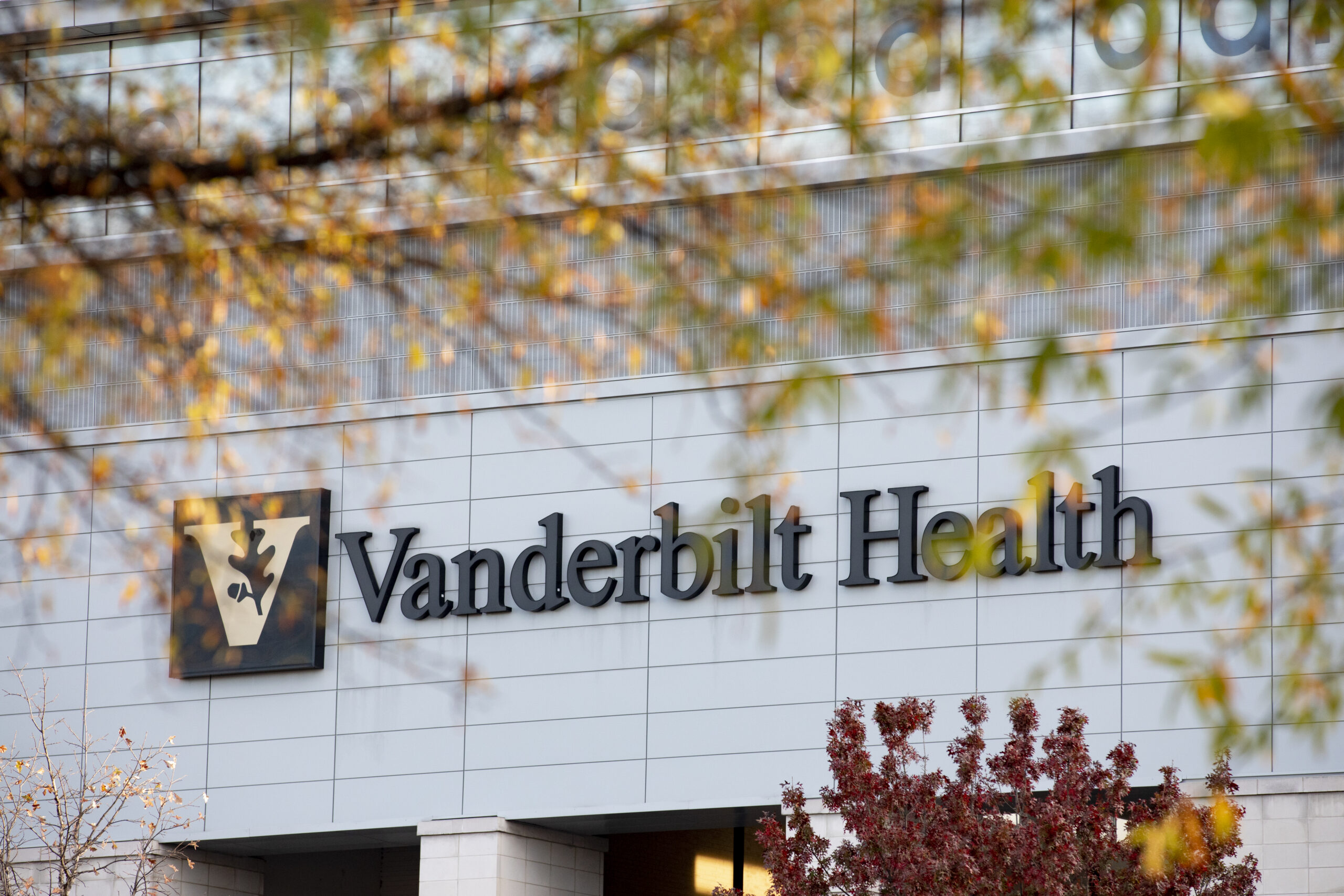

Vanderbilt University Medical Center (VUMC) has solidified its position as a leader in transplant medicine, with the Vanderbilt Transplant Center (VTC) emerging as the nation’s largest by volume after performing a record number of solid organ transplants – 960 – in 2025. According to data from the United Network for Organ Sharing (UNOS), this milestone reflects dramatic growth in VUMC’s adult and pediatric transplant programs, underscoring the institution’s commitment to life-saving procedures and innovative clinical care. This achievement builds on a history of excellence, surpassing previous records such as 739 transplants in 2023, 645 in 2021, and 611 in 2020, demonstrating consistent year-over-year advancements in organ transplantation.
The VTC’s success highlights VUMC’s areas of excellence in clinical specialties, particularly in complex solid organ transplants that address critical patient needs across the country. By achieving this national ranking, VUMC not only expands access to high-quality transplant services but also sets new benchmarks for outcomes and efficiency in the field. This leadership role positions VUMC at the forefront of medical innovation, where multidisciplinary teams collaborate to push the boundaries of what’s possible in saving and improving lives through transplantation.
As a wholly owned subsidiary of VUMC, NashBio is proud to celebrate these groundbreaking accomplishments. VUMC’s clinical expertise and leadership in transplants is deeply encoded within our data, providing the foundation for longitudinal continuity and phenotypic precision, including specialized clinical measurements essential for mapping complex disease trajectories. This strength is particularly evident in NashBio’s Clinical Specialty (CS) Cardiology dataset, which provides high-resolution insights into cardiovascular structure, function and biochemistry.
Specifically, NashBio’s CS Cardiology dataset captures granular structural measurements including chamber dimensions, ventricular wall thickness, and valvular morphology, which can be used to detect early remodeling, alongside functional markers such as echo-derived hemodynamic parameters and longitudinal ECG data. Biochemical measures such as high-sensitivity troponins and NT-proBNP serve as critical early-warning signals for myocardial stress and are central to pre-transplant cardiac assessment alongside measures such as left ventricular ejection fraction. Additionally, clinical findings related to common post-transplant complications such as acute cellular rejection—where the recipient’s immune system attacks the donor organ—as well as rare systemic events like Graft-Versus-Host Disease (GVHD), are often embedded in clinical notes. NashBio’s ability to mine these clinical notes facilitates characterization of these critical post-transplant events with high-specificity, enabling our partners to pinpoint subtle markers of graft dysfunction that are vital for developing the predictive models necessary to improve the longevity and quality of life for heart transplant recipients.
This synergy enhances our mission to drive healthcare innovation, and we’re excited to share how VUMC’s transplant leadership inspires our work in transforming data into actionable insights for better patient outcomes.
To learn more about NashBio’s CS Cardiology dataset launching this quarter or to request a private consultation about our capabilities, get in touch with one of our experts below:

